Your Are black walnut tree leaves poisonous images are ready. Are black walnut tree leaves poisonous are a topic that is being searched for and liked by netizens now. You can Download the Are black walnut tree leaves poisonous files here. Get all royalty-free vectors.
If you’re searching for are black walnut tree leaves poisonous pictures information related to the are black walnut tree leaves poisonous interest, you have visit the right blog. Our site frequently provides you with hints for seeking the highest quality video and picture content, please kindly surf and find more informative video articles and graphics that match your interests.
Are Black Walnut Tree Leaves Poisonous. Toxic effect can be degraded in two to four weeks. The black walnut tree is thought to be one of the top 5 trees poisonous to large animals. The roots of the black walnut tree produce an organic compound called juglone. They are safe to all livestock except horses and horses are generally only affected by shavings made from the tree.
 11 Species Of Walnut Trees You Should Know About Black Walnut Tree Walnut Tree Tree Identification From pinterest.com
Both grow wild here and look very similar. Dogs may show the following symptoms after ingestion of the black walnut wood or nut. Consequently the highest probability of plant toxicity is within the canopy of black walnut trees where roots fallen leaves and decaying nut hulls are ever-present and concentrated. The roots of the black walnut tree produce an organic compound called juglone. The toxic effect can be degraded in two to four weeks. Walnut leaves can be composted because the juglone toxin breaks down when exposed to air water and bacteria.
While many plants grow well in proximity to black walnut there are certain plant species whose growth is hindered by this tree.
It and the Black Walnut are probably the most dangerous of poisonous trees. Black walnut is one of several types of trees to produce a chemical known as hydrojuglone a colorless nontoxic chemical. Black walnut Juglans nigra L is a valuable hardwood lumber tree and Indiana native. It and the Black Walnut are probably the most dangerous of poisonous trees. The toxic effect can be degraded in two to four weeks. Black walnut hickory butternuts pecans and English walnuts contain juglone an allelopathic substance that is secreted by the roots of the tree to inhibit the growth of other plants.
 Source: pinterest.com
But wait you say I dont have a black walnut tree. Black walnut trees Juglans nigra are native the United States and are found in US. Furthermore do walnut trees drip sap. Sawdust mulch fresh sawdust or chips from street tree prunings from black walnut are not suggested for plants. Yes You Can Compost Black Walnut Leaves.
 Source: woodlandtrust.org.uk
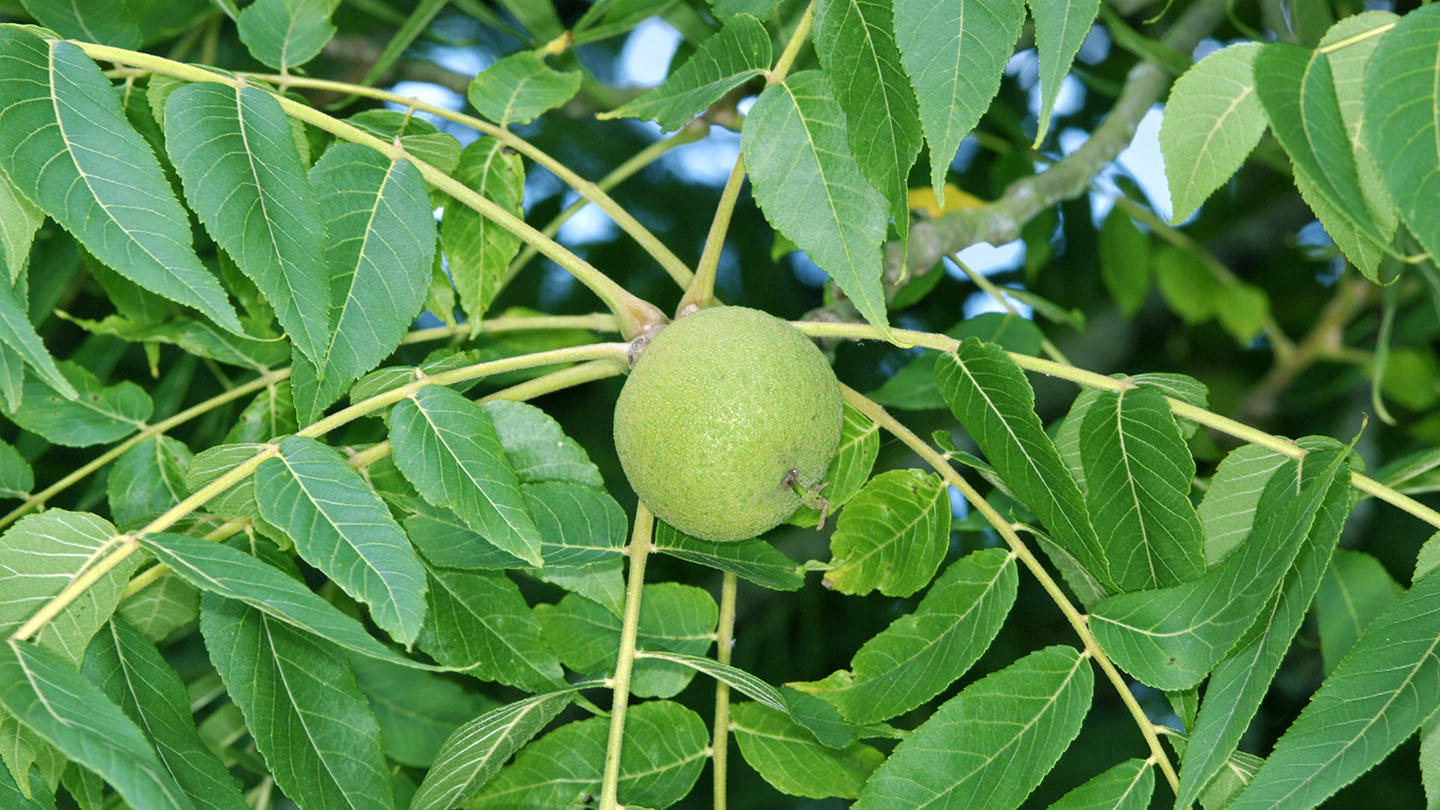
Black walnut trees are considered toxic but are unique from most other toxic plants. Theyre the Bonnie and Clyde of the forest. Yellow-green flowers blossom in late spring which produce nuts encased in yellow-green slightly hairy husks which hang in drooping clusters. The deep crimson leaves are beautiful but they are also toxic particularly to horses. Identification When Dormant During dormancy the black walnut can be identified by examining the bark.
 Source: kb.jniplants.com
Beside this are walnut tree leaves poisonous. Click to see full answer. The toxic effect can be degraded in two to four weeks. Dogs may show the following symptoms after ingestion of the black walnut wood or nut. It is toxic to horses in the same way but is known to cause laminitis as well nearly anything can cause laminitis it seems.
Source: pinterest.com
It is not certain whether large doses of juglone will produce the typical severe laminitis associated with horses that are kept on bedding containing black. Theyre the Bonnie and Clyde of the forest. Beside this are walnut tree leaves poisonous. Black walnut hickory butternuts pecans and English walnuts contain juglone an allelopathic substance that is secreted by the roots of the tree to inhibit the growth of other plants. Black walnut trees are considered toxic but are unique from most other toxic plants.
 Source: pinterest.com
Black walnut hickory butternuts pecans and English walnuts contain juglone an allelopathic substance that is secreted by the roots of the tree to inhibit the growth of other plants. Click to see full answer. However plants growing within 12 inch of a single black walnut tree root are also at risk of encountering juglone. Theyre the Bonnie and Clyde of the forest. Identification When Dormant During dormancy the black walnut can be identified by examining the bark.
 Source: id.pinterest.com
The toxin seeps into the soil and susceptible companion plants will turn yellow wilt and sometimes die. Black walnut Juglans nigra L is a valuable hardwood lumber tree and Indiana native. Shavings that are aged or old are both toxic but it is believed if the shavings have been exposed to air for more than one month they are less toxic. Sawdust mulch fresh sawdust or chips from street tree prunings from black walnut are not suggested for plants. Any toxicity is related to skin sensitivity allergic symptoms and is individual specific.
 Source: nl.pinterest.com
While many plants grow well in proximity to black walnut there are certain plant species whose growth is hindered by this tree. Yes You Can Compost Black Walnut Leaves. Can Black Walnuts Poison Animals. Black walnut leaves may be composted separately and the finished compost tested for toxicity by planting tomato seedlings in it. A Red Maple tree is one of the most spectacular trees to behold in the fall.
 Source: pinterest.com
Red Maple Trees. But wait you say I dont have a black walnut tree. Mulch or woodchips from black walnut are not recommended for plants sensitive to juglone. Nigra contain juglone a compound which is toxic to horsesHorses are primarily effected by exposure to shavings containing parts of the black walnut treeHorses can also be poisoned from ingestion of the bark pollen or fallen leaves. Seen here both in close proximity it is good to know your poison from the edible.
 Source: pinterest.com
Black walnut leaves may be composted separately and the finished compost tested for toxicity by planting tomato seedlings in it. Both grow wild here and look very similar. This compound is found in all parts of the black walnut tree including leaves stems nut hulls bark and roots. However plants growing within 12 inch of a single black walnut tree root are also at risk of encountering juglone. But wait you say I dont have a black walnut tree.
 Source: gardenerspath.com
Identification When Dormant During dormancy the black walnut can be identified by examining the bark. Furthermore do walnut trees drip sap. This compound is found in all parts of the black walnut tree including leaves stems nut hulls bark and roots. It and the Black Walnut are probably the most dangerous of poisonous trees. In the home landscape black walnut is grown as a shade tree and occasionally for its edible nuts.
 Source: pinterest.com
The leaves while alive and on the trees. Beside this are walnut tree leaves poisonous. While many plants grow well in proximity to black walnut there are certain plant species whose growth is hindered by this tree. Black walnut leaves may be composted separately and the finished compost tested for toxicity by planting tomato seedlings in it. The toxin seeps into the soil and susceptible companion plants will turn yellow wilt and sometimes die.
 Source: thespruce.com
The roots of the black walnut tree produce an organic compound called juglone. Yes You Can Compost Black Walnut Leaves. Dogs may show the following symptoms after ingestion of the black walnut wood or nut. Black walnut trees Juglans nigra are native the United States and are found in US. The roots of the black walnut tree produce an organic compound called juglone.
 Source: extension.iastate.edu
If the bedding is over 20 percent black walnut shavings clinical signs of toxicity appear. Black walnut Juglans nigra L is a valuable hardwood lumber tree and Indiana native. It is not certain whether large doses of juglone will produce the typical severe laminitis associated with horses that are kept on bedding containing black. Black walnut leaves may be composted separately and the finished compost tested for toxicity by planting tomato seedlings in it. It is toxic to horses in the same way but is known to cause laminitis as well nearly anything can cause laminitis it seems.
 Source: extension.iastate.edu
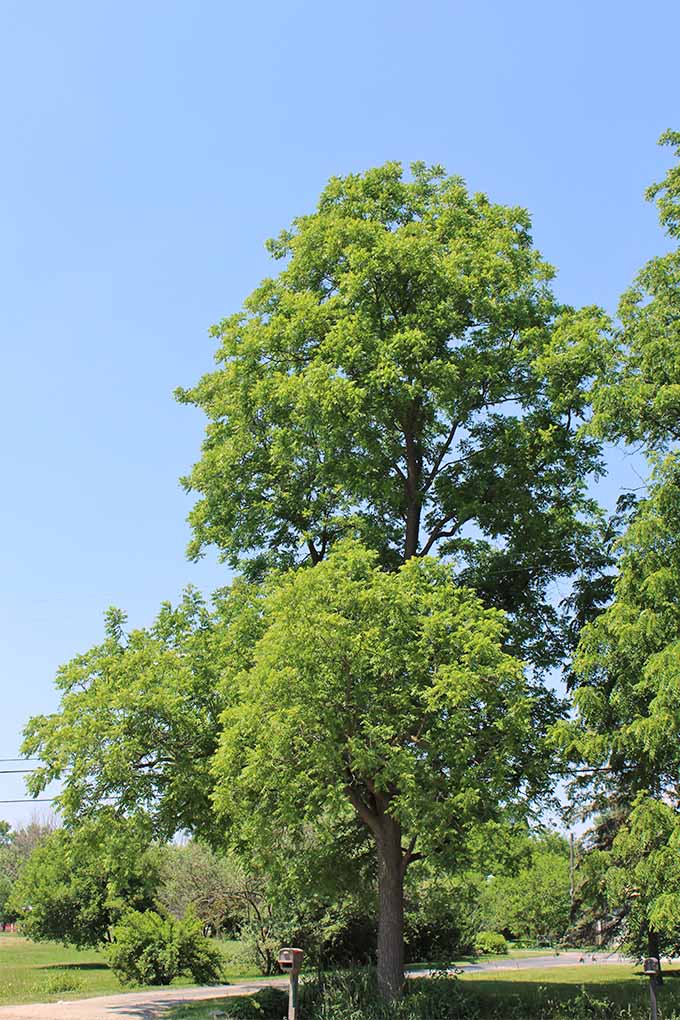
Black walnut Juglans nigra is a large deciduous tree with long trunks often with an absence of lower branching. A Red Maple tree is one of the most spectacular trees to behold in the fall. While many plants grow well in proximity to black walnut there are certain plant species whose growth is hindered by this tree. The leaf scars are seen when leaves are pulled away from branches and by looking at the nuts that have fallen around the treeIn a black walnut the bark is furrowed and dark in color it is lighter in butternut. Black walnut has Juglone in the roots which is a growth inhibitor and effects surrounding plants.
 Source: gardenerspath.com
The black walnut tree is thought to be one of the top 5 trees poisonous to large animals. Horses can experience sweating fever colic and lameness when black walnut shavings are used in their stalls. Consequently the highest probability of plant toxicity is within the canopy of black walnut trees where roots fallen leaves and decaying nut hulls are ever-present and concentrated. Seen here both in close proximity it is good to know your poison from the edible. The roots of the black walnut tree produce an organic compound called juglone.
This site is an open community for users to do sharing their favorite wallpapers on the internet, all images or pictures in this website are for personal wallpaper use only, it is stricly prohibited to use this wallpaper for commercial purposes, if you are the author and find this image is shared without your permission, please kindly raise a DMCA report to Us.
If you find this site good, please support us by sharing this posts to your own social media accounts like Facebook, Instagram and so on or you can also bookmark this blog page with the title are black walnut tree leaves poisonous by using Ctrl + D for devices a laptop with a Windows operating system or Command + D for laptops with an Apple operating system. If you use a smartphone, you can also use the drawer menu of the browser you are using. Whether it’s a Windows, Mac, iOS or Android operating system, you will still be able to bookmark this website.


