Your Cherry tree diseases bacterial canker images are ready in this website. Cherry tree diseases bacterial canker are a topic that is being searched for and liked by netizens now. You can Get the Cherry tree diseases bacterial canker files here. Get all royalty-free photos.
If you’re looking for cherry tree diseases bacterial canker images information linked to the cherry tree diseases bacterial canker topic, you have visit the ideal blog. Our website always provides you with hints for refferencing the highest quality video and image content, please kindly hunt and locate more enlightening video content and graphics that match your interests.
Cherry Tree Diseases Bacterial Canker. Sterilize pruning tools before pruning healthy trees. Sweet cherry is crop that continues to be of great interest to Indiana growers. This article will focus on managing bacterial canker disease. Controlling bacterial canker of cherry.
 Dead Bud Symptom Sunken Canker Bacteria Canker In Cherry Tree Stock Image Image Of Biology Common 195785377 From dreamstime.com
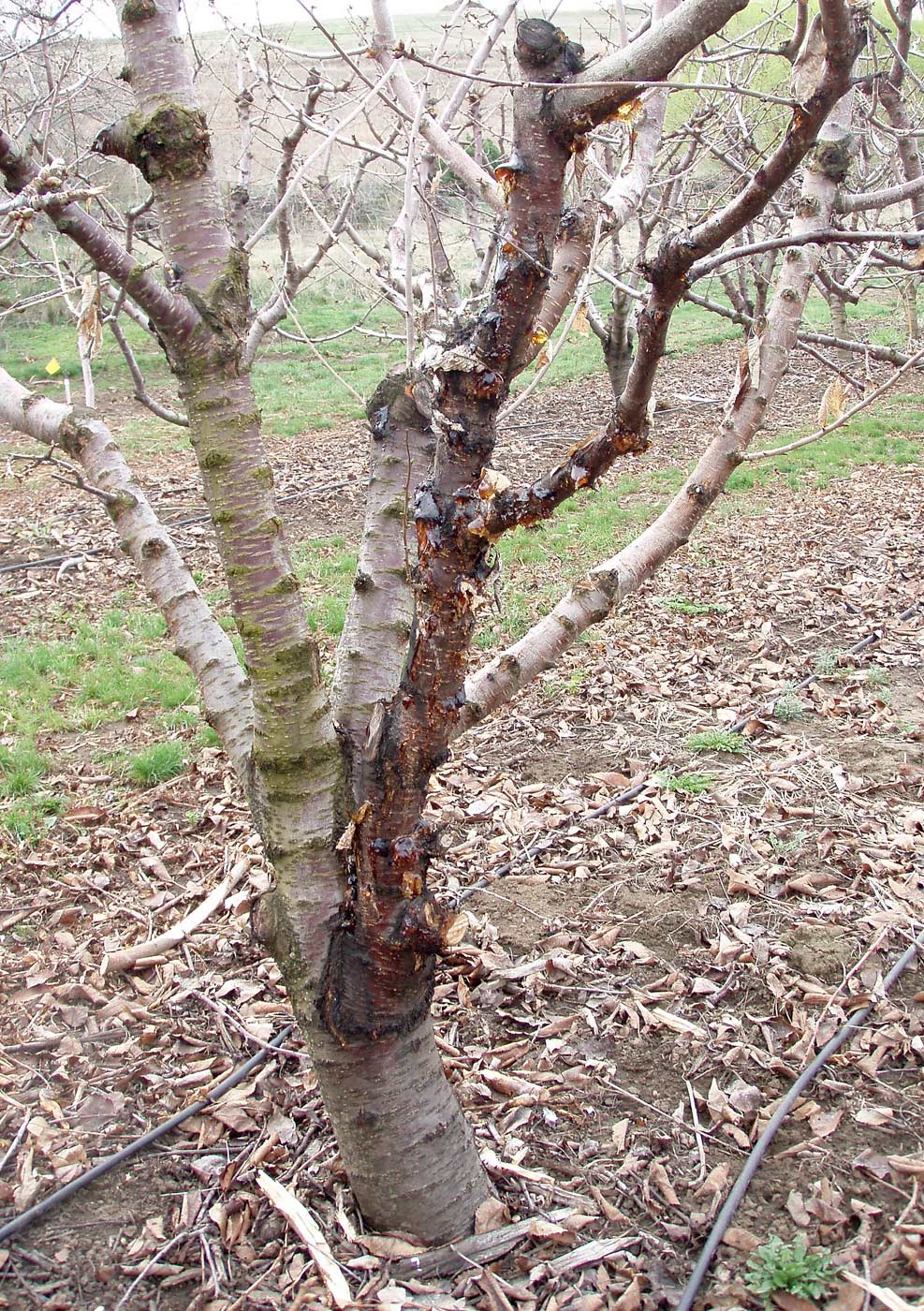
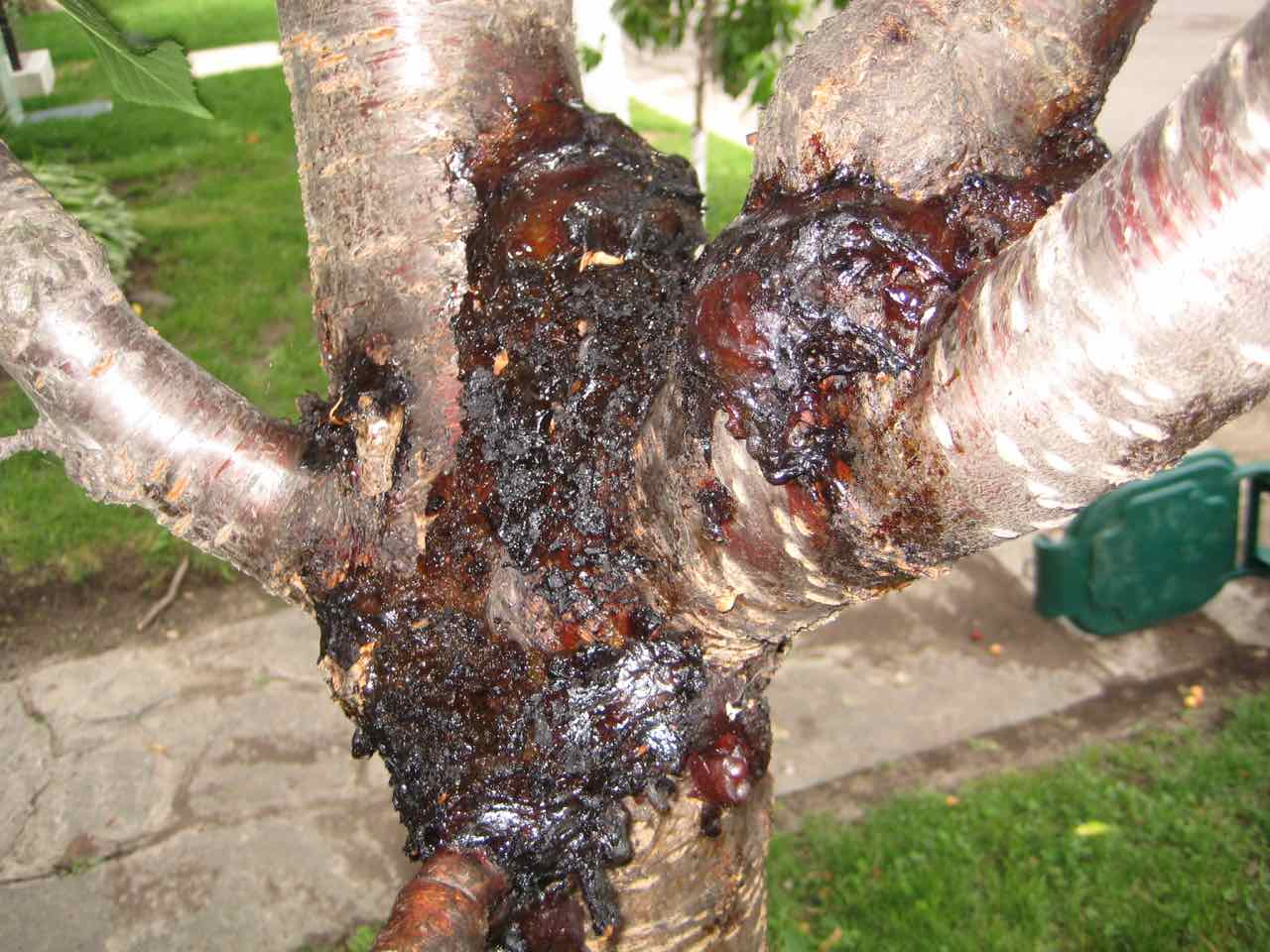
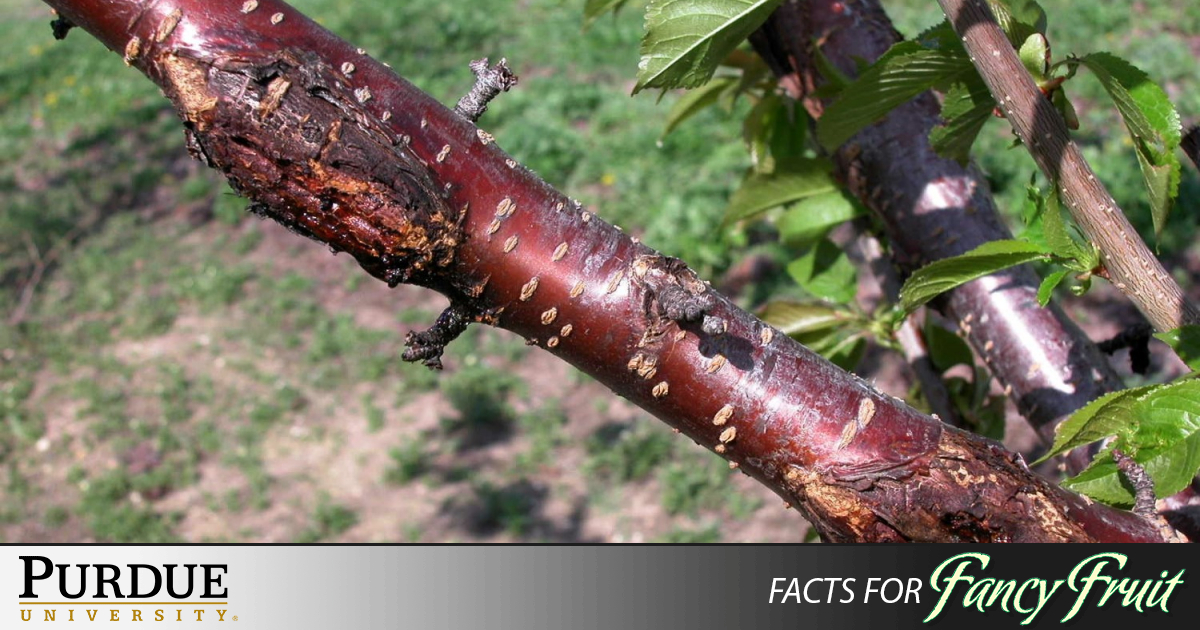
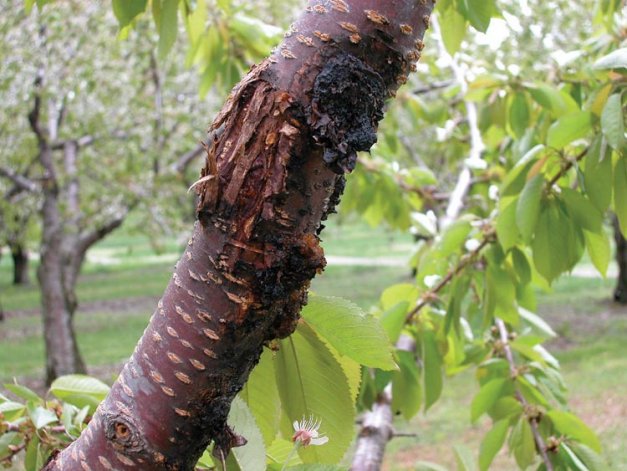
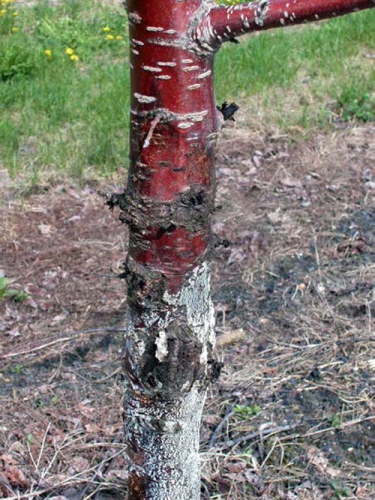
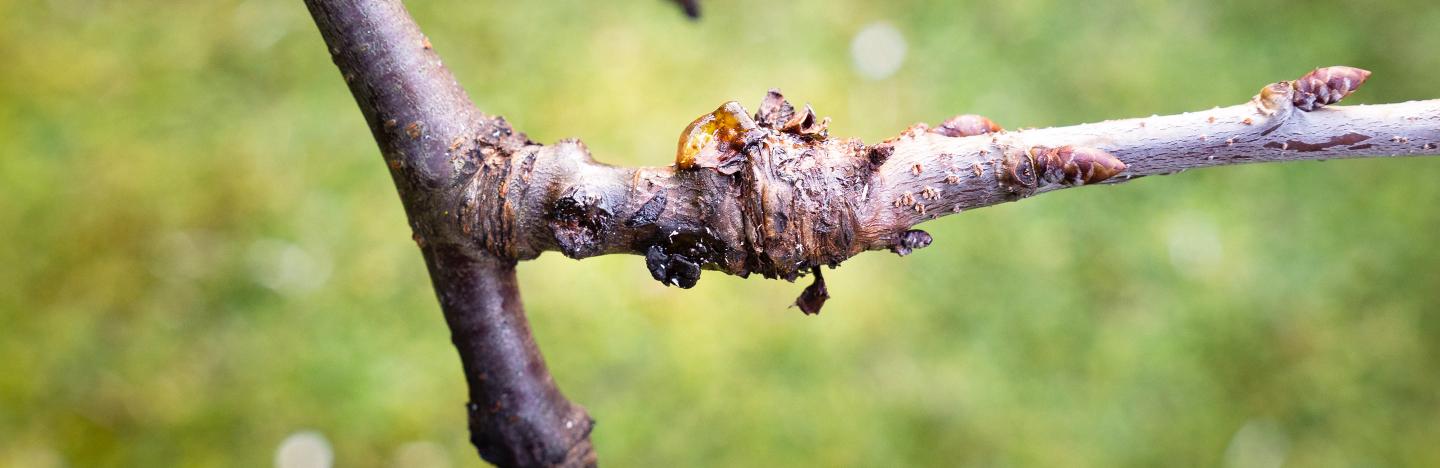
The symptoms can be wide ranging and include sunken patches on the trunk and branches. Bacterial canker is also known as gummosis blossom blast dieback spur blight and twig blight. Gumming due to bacterial canker on either side and in the middle of a score mark meant to manage the disease. Sunken canker on trunk of tree a common symptom of bacterial canker on sweet cherries. Bacterial canker doesnt just look bad. SYMPTOMS OF BACTERIAL CANKER Bacterial Canker is responsible for the demise of more young plum and cherry trees than any other disease.
Various species of fruit trees are affected by the gummosis cherry almond plum peach o peach tree and apricot.
Branch or trunk cankers may be confused with perennial canker. The life cycle of the bacteria. The occurrence of bacterial canker is thought to be related to the amount of stress trees are subjected to including poor nitrogen andor microelement availability high ring-nematode populations previous drought stresses hardpan rootstocks that reduce tree vigor spring freezes and irrigation methods that wet the tree. Bacterial canker causes severe damage under favorable environmental conditions. Bacterial canker is a common and sometimes lethal disease of trees in the genus Prunus including cherry plum and peach. These are the first sign of bacterial canker on cherry trees.
 Source: researchgate.net
The occurrence of bacterial canker is thought to be related to the amount of stress trees are subjected to including poor nitrogen andor microelement availability high ring-nematode populations previous drought stresses hardpan rootstocks that reduce tree vigor spring freezes and irrigation methods that wet the tree. Cherry Prunus spp-Bacterial Canker. Once bacterial canker is removed from your trees prevention is paramount. December 2015 Presentation by Kari Peter BACTERIAL DISEASES OF STONE FRUITS. Wild cherry is susceptible to bacterial cankers which can disfigure and occasionally kill infected trees.
 Source: gardening.which.co.uk
Trees can also get blight canker and powdery mildew. It can also take a toll on the health of your tree so it needs to be controlled. However perennial cankers form alternating callus rings whereas cankers caused by Pseudomonas do not. The symptoms can be wide ranging and include sunken patches on the trunk and branches. Prune Cherries Immediately Following Harvest to Control Bacterial Canker.
 Source: goodfruit.com
It is caused by bacteria absorbed into a cherry trees DNA creating tumor cells that start in the roots and eventually spread throughout the entire tree. Once bacterial canker is removed from your trees prevention is paramount. Bacterial canker is a common and sometimes lethal disease of trees in the genus Prunus including cherry plum and peach. It causes sunken patches of dead bark and small holes in leaves called shothole. Bacteria over-winter in active cankers in infected buds and on the surface of infected and healthy trees and weeds.
 Source: orchardpeople.com
The symptoms of Bacterial Canker. Avoid pruning in early spring and fall when bacte-ria are most active. Gumming due to bacterial canker on either side and in the middle of a score mark meant to manage the disease. It can also take a toll on the health of your tree so it needs to be controlled. Bacterial canker doesnt just look bad.
 Source: orchardpeople.com
Syringae a bacteriumThe disease is common west of the Cascade Range because it is favored by cool wet weather. Often trees become seriously infected when theyre under stress or. Treatment and prevention of Bacterial Canker. It can also take a toll on the health of your tree so it needs to be controlled. Sterilize pruning tools before pruning healthy trees.
 Source: fff.hort.purdue.edu
It can also take a toll on the health of your tree so it needs to be controlled. It also continues to be a challenge due to bacterial canker caused by Pseudomonas syringaeThis bacterium is a significant pathogen of young sweet cherry trees killing 10 to 20 percent of the trees in new orchards within 5 years of planting. Cherry leaves showing symptoms of bacterial canker Fruit. Branches and stems have sunken and malformed areas on them. Control Prune off cankered limbs well below visible canker.
 Source: sciencephoto.com
Common cherry tree problems include rot spot and knot diseases. The life cycle of the bacteria. Save to My scrapbook. Fruit spots on Ulster a common symptom of bacterial canker on sweet cherries. Bacterial canker causes severe damage under favorable environmental conditions.
 Source: realenglishfruit.co.uk
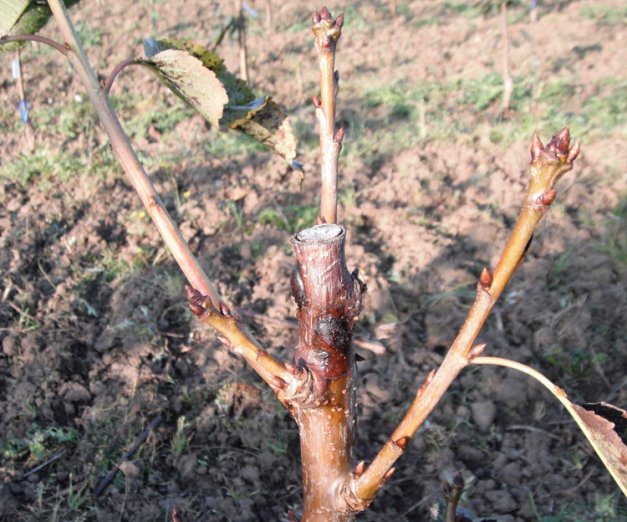
The occurrence of bacterial canker is thought to be related to the amount of stress trees are subjected to including poor nitrogen andor microelement availability high ring-nematode populations previous drought stresses hardpan rootstocks that reduce tree vigor spring freezes and irrigation methods that wet the tree. Cut at least 6 inches 15 cm beyond the wound nearest the tree in case the infection is spreading inward. The symptoms can be wide ranging and include sunken patches on the trunk and branches. This article will focus on managing bacterial canker disease. Control Prune off cankered limbs well below visible canker.
 Source: goodfruit.com
Cherries and apricots are more susceptible than peaches nectarines and plums. If you see dark sunken cankers on young fruit trees your orchard may be infected. Bacteria over-winter in active cankers in infected buds and on the surface of infected and healthy trees and weeds. It causes sunken patches of dead bark and small holes in leaves called shothole. These tumors are usually white brown or tan and if not managed can significantly damage or kill crops.
Source: dreamstime.com
Prevention Choosing species and varieties All species of stone fruit are susceptible to bacterial canker. Wild cherry is susceptible to bacterial cankers which can disfigure and occasionally kill infected trees. Branches and stems have sunken and malformed areas on them. Luckily bacterial canker can easily be pruned out of a tree if the pruning is done correctly. Disposing of infected tissues immediately can also help stop the spread of this disease.
 Source: alamy.com
Cut at least 6 inches 15 cm beyond the wound nearest the tree in case the infection is spreading inward. Controlling bacterial canker of cherry. A careful inspection of the canker will help identify the disease. Cherry Prunus spp-Bacterial Canker. Prune Cherries Immediately Following Harvest to Control Bacterial Canker.
 Source: gardeningknowhow.com
December 2015 Presentation by Kari Peter BACTERIAL DISEASES OF STONE FRUITS. Infection causes sunken spots with dark centres and sometimes underlying gum pockets. The inner tissue of the canker is orange. A careful inspection of the canker will help identify the disease. Treatment and prevention of Bacterial Canker.
 Source: canr.msu.edu
Common cherry tree problems include rot spot and knot diseases. These are the first sign of bacterial canker on cherry trees. Cherry tree diseases bacterial canker. Bacterial canker is a disease of the stems and leaves of Prunus especially plums and cherries but also apricots peaches and ornamental Prunus species. Trees can also get blight canker and powdery mildew.
 Source: goodfruit.com
Bacterial canker is also known as gummosis blossom blast dieback spur blight and twig blight. Trees can also get blight canker and powdery mildew. December 2015 Presentation by Kari Peter BACTERIAL DISEASES OF STONE FRUITS. Bacterial canker is a disease caused by the bacterium Pseudomonas syringae pv. Disposing of infected tissues immediately can also help stop the spread of this disease.
 Source: lovethegarden.com
Within the most common cherry tree diseases we have the gummosis also known as bacterial canker. Wild cherry is susceptible to bacterial cankers which can disfigure and occasionally kill infected trees. Luckily bacterial canker can easily be pruned out of a tree if the pruning is done correctly. Branch or trunk cankers may be confused with perennial canker. Bacterial canker is a common and sometimes lethal disease of trees in the genus Prunus including cherry plum and peach.
This site is an open community for users to do sharing their favorite wallpapers on the internet, all images or pictures in this website are for personal wallpaper use only, it is stricly prohibited to use this wallpaper for commercial purposes, if you are the author and find this image is shared without your permission, please kindly raise a DMCA report to Us.
If you find this site good, please support us by sharing this posts to your own social media accounts like Facebook, Instagram and so on or you can also bookmark this blog page with the title cherry tree diseases bacterial canker by using Ctrl + D for devices a laptop with a Windows operating system or Command + D for laptops with an Apple operating system. If you use a smartphone, you can also use the drawer menu of the browser you are using. Whether it’s a Windows, Mac, iOS or Android operating system, you will still be able to bookmark this website.


