Your Citrus tree bark diseases images are ready in this website. Citrus tree bark diseases are a topic that is being searched for and liked by netizens today. You can Find and Download the Citrus tree bark diseases files here. Get all royalty-free images.
If you’re looking for citrus tree bark diseases images information linked to the citrus tree bark diseases interest, you have pay a visit to the ideal site. Our site always provides you with suggestions for seeing the highest quality video and picture content, please kindly surf and locate more enlightening video content and images that match your interests.
Citrus Tree Bark Diseases. Citrus tristeza disease Disease symptoms. Citrus psorosis symptoms which affect primarily citrus trees at least eight to 10 years old include patches of bark with small bubbles or pustules. Under the tree bark stem pitting can be observed. It is most common in older trees.
 Fact Sheet Psorosis Citrus Diseases From idtools.org
Remove affected tree and plant citrus in a well-drained location. Of 3 X Citrus Diseases March 2013. Leaf chlorosis and branch dieback. Orange trees with cracked bark around the bottom of the trunk are likely. Table of common citrus diseases disease name identification details symptoms and damage caused preventioncontrol exocortis viral disease mostly on trees grafted on trifoliate citrange and rangpur lime rootstocks spread by infected budwood bark scaling and tree stunting viroid some cultivars also show The virus can cause. Circular scabby lesions develop on fruit both sides of leaves and on twigs.
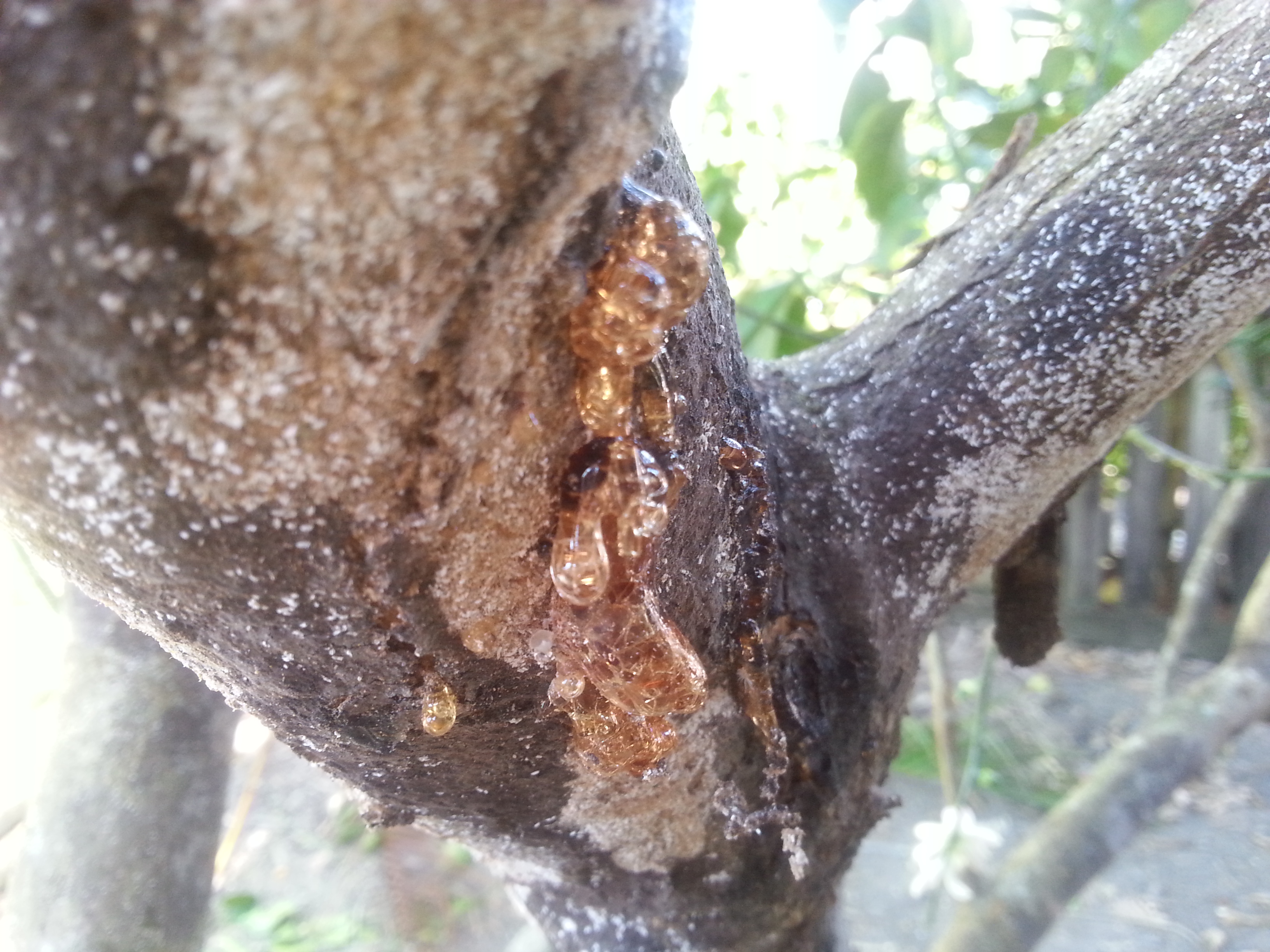
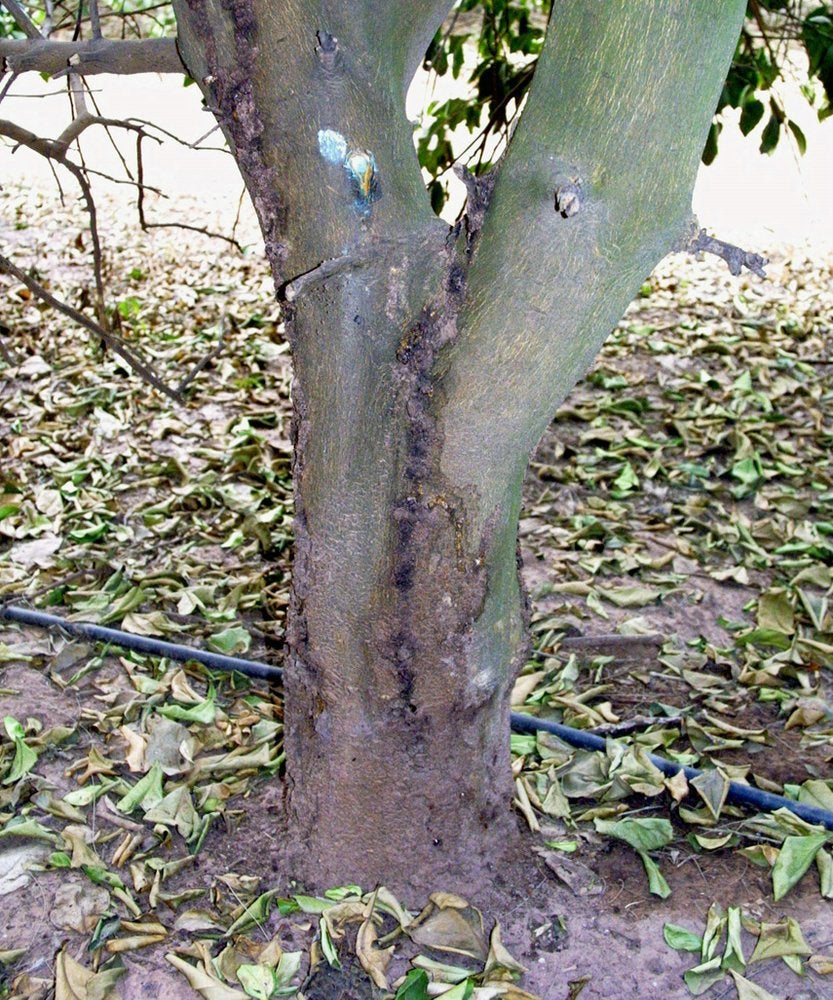
Typical gummy lesions caused by Phytophthora parasitica in citrus bark.
They may set a very heavy fruit crop in spring but collapse and die when the weather gets hot in summer. Pests diseases and disorders look like by turning to the pictures included of this manual. Continue to care for the tree properly to maintain health. Typical gummy lesions caused by Phytophthora parasitica in citrus bark. Typical lesions of the disease are raised tan to brown in color and have a water-soaked margin and yellow halos. Gradually the leaves drop and the defoliated twigs show die-back.
 Source: reddit.com
Unfortunately there is no cure. They may set a very heavy fruit crop in spring but collapse and die when the weather gets hot in summer. Diseased trees usually blossom heavily. Of 3 X Citrus Diseases March 2013. The good news is that the disease has diminished considerably over the past few decades thanks to the use of certified disease-free budwood in grafting.
 Source: daleysfruit.com.au
Mycelial fans produced beneath the bark on rotting roots are diagnostic for the disease. Infected plants are usually symptomless. Psorosis Bark Scaling Virus Disease. Orange trees with cracked bark around the bottom of the trunk are likely. This virus also causes a bud-union crease which can be seen when the bark is peeled back.
 Source: forums.floridasportsman.com
If the tree becomes girdled it will die and should be removed. Pests diseases and disorders look like by turning to the pictures included of this manual. Citrus tree diseases australia. Armillaria appears under the bark of affected trees as fan-shaped mycelia mats with a strong mushroom odour. Typical gummy lesions caused by Phytophthora parasitica in citrus bark.
 Source: researchgate.net
Typical gummy lesions caused by Phytophthora parasitica in citrus bark. Diseases The most common fungal diseases of citrus in Florida are greasy spot melanose scab and foot rot. Citrus canker caused by a bacterial pathogen is a serious disease of most citrus varieties. This virus also causes a bud-union crease which can be seen when the bark is peeled back. If the tree becomes girdled it will die and should be removed.
 Source: iocv.ucr.edu
Under the tree bark stem pitting can be observed. The presence of large swellings or bulges on the branches of citrus trees is quite common in melbourne. The first three affect fruit leaves and twigs. However most of the disease spread is from tree to tree by rhizomorphs produced on rotting roots. If the tree becomes girdled it will die and should be removed.
 Source: agric.wa.gov.au
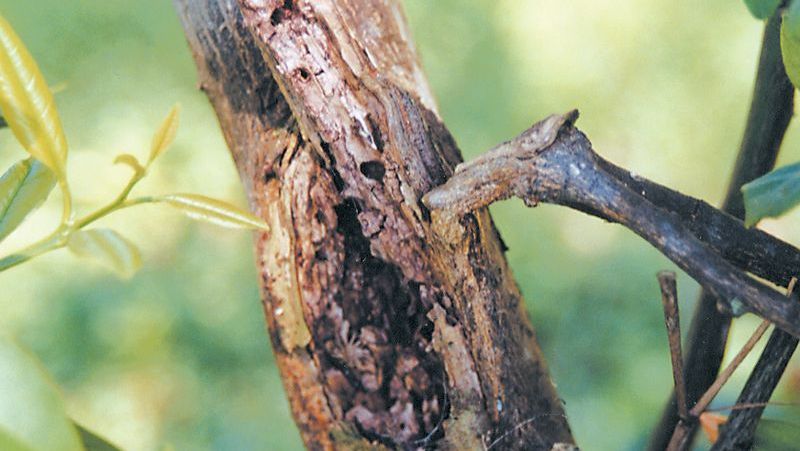
Damage is limited to around the root crown. Mycelial fans produced beneath the bark on rotting roots are diagnostic for the disease. Unfortunately there is no cure. Cracked bark that peels off bark shelling in small pieces but only on old trees is characteristic of Exocortis. A healthy orange tree Citrus sinensis should have a rounded crown of shiny green leaves and a firm grayish-brown trunk.
 Source: yates.co.nz
Citrus tree diseases australia. Psorosis Bark Scaling Virus Disease. Lesions on fruit and leaves are surrounded by a dark or water-soaked margin and yellowish halo. Diseases of the Bark and Trunk. Typical lesions of the disease are raised tan to brown in color and have a water-soaked margin and yellow halos.
 Source: daleysfruit.com.au
Pink disease is caused by the prolific fungal pathogen erythricium salmonicolor also known as phanerochaete salmonicolor which can affect a huge range of trees. Typical lesions of the disease are raised tan to brown in color and have a water-soaked margin and yellow halos. Typical gummy lesions caused by Phytophthora parasitica in citrus bark. Table of common citrus diseases disease name identification details symptoms and damage caused preventioncontrol exocortis viral disease mostly on trees grafted on trifoliate citrange and rangpur lime rootstocks spread by infected budwood bark scaling and tree stunting viroid some cultivars also show The virus can cause. Mycelial fans produced beneath the bark on rotting roots are diagnostic for the disease.
 Source: thecitrusguy.blogspot.com
Leaf chlorosis and branch dieback. Infected plants are usually symptomless. The presence of large swellings or bulges on the branches of citrus trees is quite common in melbourne. Armillaria appears under the bark of affected trees as fan-shaped mycelia mats with a strong mushroom odour. Citrus canker is a disease caused by the bacterium Xanthomonas citri subspecies citriInfection causes lesions on the leaves stems and fruit of citrus trees.
 Source: betterbugs.com
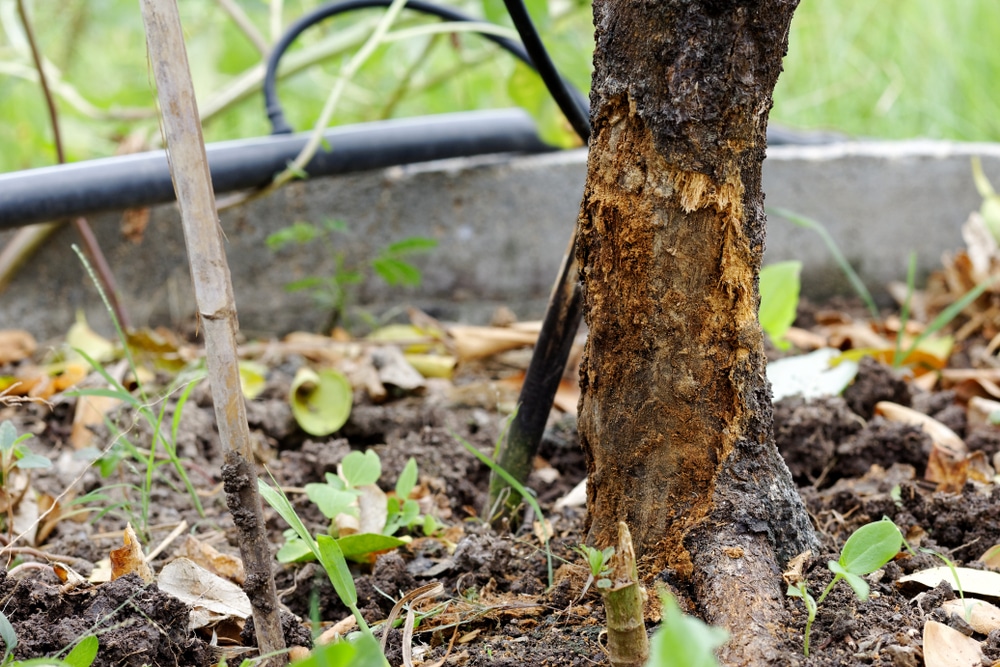
Citri on stem of Citrus sp. Of 3 X Citrus Diseases March 2013. Typical lesions of the disease are raised tan to brown in color and have a water-soaked margin and yellow halos. They may set a very heavy fruit crop in spring but collapse and die when the weather gets hot in summer. Lesions Often Exuding Resin on the Lower Section of the Trunk.
 Source: garden.eco
A healthy orange tree Citrus sinensis should have a rounded crown of shiny green leaves and a firm grayish-brown trunk. More common on older trees. Thus affected trees often form a tight cluster in the grove that is characteristic of the disease. Citrus canker is a disease caused by the bacterium Xanthomonas citri subspecies citriInfection causes lesions on the leaves stems and fruit of citrus trees. The disease causes necrotic lesions on leaves stems and fruit.
 Source: idtools.org
Mycelial fans produced beneath the bark on rotting roots are diagnostic for the disease. Citri on stem of Citrus sp. Diseases Pests Citrus Canker. Diseases Growing Lemons in Australia - a production manual 12 6 potential infection periods for citrus scab as indicated by leaf wetness that coincide with susceptible fruit and foliage being on. Typical lesions of the disease are raised tan to brown in color and have a water-soaked margin and yellow halos.
 Source: gardeningknowhow.com
Foot Rot Fungus on all citrus or Rio Grande Gummosis on grapefruit. Citrus tree diseases australia. Citrus canker Bacterial canker 636 KB PDF Identification tip. Citrus canker caused by a bacterial pathogen is a serious disease of most citrus varieties. Citrus trees affected by Armillaria root rot show decline with leaf yellowing and leaf drop.
Source: idtools.org
Psorosis bark scaling virus disease. Lesions on fruit and leaves are surrounded by a dark or water-soaked margin and yellowish halo. Cracked bark that peels off bark shelling in small pieces but only on old trees is characteristic of Exocortis. Of 3 X Citrus Diseases March 2013. The disease causes necrotic lesions on leaves stems and fruit.
 Source: researchgate.net
They may set a very heavy fruit crop in spring but collapse and die when the weather gets hot in summer. Citrus canker lesions are raised unlike the sunken twig scars from hail injury or the roundish. In comparison Phytophthora gummosis affects trees of any age and damage often extends from the soil to several feet up the trunk. Pink disease is caused by the prolific fungal pathogen erythricium salmonicolor also known as phanerochaete salmonicolor which can affect a huge range of trees. Damage is limited to around the root crown.
This site is an open community for users to share their favorite wallpapers on the internet, all images or pictures in this website are for personal wallpaper use only, it is stricly prohibited to use this wallpaper for commercial purposes, if you are the author and find this image is shared without your permission, please kindly raise a DMCA report to Us.
If you find this site serviceableness, please support us by sharing this posts to your preference social media accounts like Facebook, Instagram and so on or you can also save this blog page with the title citrus tree bark diseases by using Ctrl + D for devices a laptop with a Windows operating system or Command + D for laptops with an Apple operating system. If you use a smartphone, you can also use the drawer menu of the browser you are using. Whether it’s a Windows, Mac, iOS or Android operating system, you will still be able to bookmark this website.


