Your Eastern cottonwood tree leaves images are available. Eastern cottonwood tree leaves are a topic that is being searched for and liked by netizens today. You can Download the Eastern cottonwood tree leaves files here. Get all royalty-free images.
If you’re searching for eastern cottonwood tree leaves pictures information connected with to the eastern cottonwood tree leaves interest, you have visit the ideal site. Our website frequently gives you suggestions for refferencing the highest quality video and picture content, please kindly surf and locate more informative video content and images that fit your interests.
Eastern Cottonwood Tree Leaves. Needles in bundles or groups 2 1. Purple catkins and clusters of brown cone-like fruit add interest to the tree throughout winter. Silver maple is among the fastest growing hardwood species commonly planted in eastern North. Similar trends of root development were revealed in excavations of plains cottonwood trees growing in silty loam soils in eastern Nebraska where 1 a 14-year-old tree 183 m 60 ft tall developed only shallow widespread and fibrous roots over and down to a water table 08 m 25 ft deep.
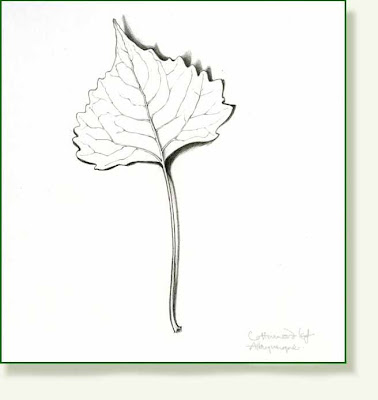
 Spade Shaped Leaf Tree Chart Eastern Cottonwood Leaves Are Triangular Or Cottonwood Leaf Tree Id Plant Leaves From pinterest.com
Fast growth and wonderful shade are reasons enough to cherish cottonwood but these trees possess other qualities that make them worth planting. Cottonwood eastern red cedar bur oak Know which trees grow naturally in the different regions of MN. The Fremont or Alamo cottonwood P. Eastern hemlock Tsuga canadensis also called Canada hemlock or hemlock spruce is a slow-growing long-lived tree which unlike many conifers grows well in shade. Purple catkins and clusters of brown cone-like fruit add interest to the tree throughout winter. Scale like leaves Pointed sharp leaves - Eastern red cedar Rounded dull leaves - Northern white cedar Needle like leaves.
Some trees may have more than one leaf shape.
How Fast Does a Cottonwood Tree Grow. The variants are wide and plenty. The effect is eye-catching and distinctively attractive. There are only a few species of poplar trees that are classified as cottonwoods. Fremontii is the tallest of the cottonwoods and is found throughout southwestern North America. Needles in bundles or groups 2 1.
 Source: pinterest.com
Some characteristics are common among all members of a genus while some are specific to a particular species. Some trees may have more than one leaf shape. 18 Eastern redcedar Juniperus virginiana. New stems when tree is cut. The effect is eye-catching and distinctively attractive.
 Source: pinterest.com
Rapid-growing medium-sized tree with lush dark green leaves. Scale like leaves Pointed sharp leaves - Eastern red cedar Rounded dull leaves - Northern white cedar Needle like leaves. The effect is eye-catching and distinctively attractive. This rapid growth leads to weak wood that is easily damaged. Then there are those that look like needles.
Source: pinterest.com
Eastern common – Populus deltoides black – P. There are many crosses that go by the name hybrid poplar but this one between eastern cottonwood from the United States and black poplar from Europe and North Africa has been a favorite for a very long time. The bark is gray with tenticels and leaves are glossy dark green on top and light green on the undersides. The necklace poplar tree is a colossal poplar tree with silvery-white bark large triangular leaves and reddish-purple or green drooping flowers. Use CONIFEROUS TREE KEY Tree has broad leaves use DECIDUOUS TREE KEY CONIFEROUS TREE KEY 1.
 Source: pinterest.com
On the other hand it is also commonly known as an ash leaf maple which could be helpful when identifying the tree by its leaf because the leaves do look more like an ash leaf than a maple leaf. Similar trends of root development were revealed in excavations of plains cottonwood trees growing in silty loam soils in eastern Nebraska where 1 a 14-year-old tree 183 m 60 ft tall developed only shallow widespread and fibrous roots over and down to a water table 08 m 25 ft deep. Bark is gray and beech-like. This rapid growth leads to weak wood that is easily damaged. Some characteristics are common among all members of a genus while some are specific to a particular species.
 Source: pinterest.com
There are a variety of characteristics that you can count on as useful tree identification aids. New stems when tree is cut. There are a variety of characteristics that you can count on as useful tree identification aids. For example cotton flying in the breeze which helps carry the cotton seeds will be annoying if it sticks to window screens blocks the AC unit or floats in a swimming pool. How Fast Does a Cottonwood Tree Grow.
 Source: pl.pinterest.com
Tree leaves may vary in size on the same tree. For example some leaves appear long and narrow. Also called the eastern cottonwood tree the necklace poplar flowers become white and fuzzy as they turn to seed. Eastern cottonwood Populus deltoides. They can be in a finger-like arrangement or they could be heart-shaped too.
 Source: pinterest.com
Tree leaves may vary in size on the same tree. Scale like leaves Pointed sharp leaves - Eastern red cedar Rounded dull leaves - Northern white cedar Needle like leaves. Fremontii is the tallest of the cottonwoods and is found throughout southwestern North America. Aspen species see a-b below a. The 3 main species are Populus deltoids eastern cottonwood Populus fremontii Fremonts cottonwood and the Populus nigra black poplar.
 Source: es.pinterest.com
Cottonwood Plains Leaf Cottonwood Narrowleaf Leaf Elm Siberian Leaf European Mountainash Leaf Ginko Leaf Goldenraintree Leaf Hawthorn Leaf Lilac Common Leaf Linden American Leaf Linden Littleleaf Leaf Locust Black Leaf Locust Honey Leaf. Cucumbertree cucumber magnolia – Magnolia acuminata Douglas-fir – Pseudotsuga menziesii eastern fir – see balsam fir eastern hemlock – Tsuga canadensis eastern hophornbeam – Ostrya virginiana. The bark is gray with tenticels and leaves are glossy dark green on top and light green on the undersides. Also called the eastern cottonwood tree the necklace poplar flowers become white and fuzzy as they turn to seed. These names might be misleading since it is neither an elder nor an ash.
 Source: pinterest.com
Eastern hemlock Tsuga canadensis also called Canada hemlock or hemlock spruce is a slow-growing long-lived tree which unlike many conifers grows well in shade. The leaves have flat stems so they shimmer and rustle in the wind. A small tough drought and heat resistant tree from the Eastern MediterraneanMasses of startling rosy- lilac pea flowers along the bare branches in spring before the leaves unfurl. Eastern cottonwood Populus deltoides. There are a variety of characteristics that you can count on as useful tree identification aids.
 Source: pinterest.com
For example some leaves appear long and narrow. The most drought tolerant alder evaluated in NDSU trials. 18 Eastern redcedar Juniperus virginiana. Cottonwood Plains Leaf Cottonwood Narrowleaf Leaf Elm Siberian Leaf European Mountainash Leaf Ginko Leaf Goldenraintree Leaf Hawthorn Leaf Lilac Common Leaf Linden American Leaf Linden Littleleaf Leaf Locust Black Leaf Locust Honey Leaf. Cottonwood trees are beautiful and majestic trees but not everything about the cottonwood tree is gorgeous or pleasant.
 Source: pinterest.com
The 3 main species are Populus deltoids eastern cottonwood Populus fremontii Fremonts cottonwood and the Populus nigra black poplar. 2 a 16-year-old tree 113 m 37 ft tall. Similar trends of root development were revealed in excavations of plains cottonwood trees growing in silty loam soils in eastern Nebraska where 1 a 14-year-old tree 183 m 60 ft tall developed only shallow widespread and fibrous roots over and down to a water table 08 m 25 ft deep. This rapid growth leads to weak wood that is easily damaged. The bark is gray with tenticels and leaves are glossy dark green on top and light green on the undersides.
 Source: pinterest.com
However in Missouri only shingle oak has banana-shaped leaves. Bark is gray and beech-like. Eastern common – Populus deltoides black – P. For instance all oaks have simple alternate leaves. Populus deltoides the eastern cottonwood or necklace poplar is a cottonwood poplar native to North America growing throughout the eastern central and southwestern United States as well as the southern Canadian prairies the southernmost part of.
 Source: pinterest.com
For instance all oaks have simple alternate leaves. On the other hand it is also commonly known as an ash leaf maple which could be helpful when identifying the tree by its leaf because the leaves do look more like an ash leaf than a maple leaf. The black cottonwood is a fast-growing large broadleaf tree that can grow up to 200 feet tall and more than 8 feet in diameter. Also called the eastern cottonwood tree the necklace poplar flowers become white and fuzzy as they turn to seed. Eastern cottonwood Populus deltoides.
 Source: pinterest.com
Found on sandy and rich soils common in MN except for SW. The effect is eye-catching and distinctively attractive. 2 a 16-year-old tree 113 m 37 ft tall. Leaves growing in the shade are often much larger than leaves exposed to full sun. The 3 main species are Populus deltoids eastern cottonwood Populus fremontii Fremonts cottonwood and the Populus nigra black poplar.
 Source: no.pinterest.com
Colorados major tree species include bristlecone pine Colorado blue spruce Douglas-fir Engelmann spruce limber pine lodgepole pine narrowleaf cottonwood quaking aspen piñon pine plains cottonwood ponderosa pine Rocky Mountain juniper subalpine fir and white fir. Found widely scattered statewide on b. The Fremont or Alamo cottonwood P. The cottonwood tree is a hardwood tree that loses its leaves in the fall. The variants are wide and plenty.
This site is an open community for users to submit their favorite wallpapers on the internet, all images or pictures in this website are for personal wallpaper use only, it is stricly prohibited to use this wallpaper for commercial purposes, if you are the author and find this image is shared without your permission, please kindly raise a DMCA report to Us.
If you find this site helpful, please support us by sharing this posts to your own social media accounts like Facebook, Instagram and so on or you can also save this blog page with the title eastern cottonwood tree leaves by using Ctrl + D for devices a laptop with a Windows operating system or Command + D for laptops with an Apple operating system. If you use a smartphone, you can also use the drawer menu of the browser you are using. Whether it’s a Windows, Mac, iOS or Android operating system, you will still be able to bookmark this website.


