Your Maple tree adaptations in deciduous forest images are available. Maple tree adaptations in deciduous forest are a topic that is being searched for and liked by netizens today. You can Get the Maple tree adaptations in deciduous forest files here. Download all royalty-free images.
If you’re searching for maple tree adaptations in deciduous forest images information related to the maple tree adaptations in deciduous forest keyword, you have pay a visit to the ideal blog. Our website frequently provides you with hints for seeking the maximum quality video and image content, please kindly hunt and find more enlightening video articles and images that fit your interests.
Maple Tree Adaptations In Deciduous Forest. On a warm day a maple tree may lose 50-60 gallonshour eg. In the summer the polar air masses cause it. Migration and hibernation are the two adaptations these animals use within the deciduous forest. Explore tropical plants in.
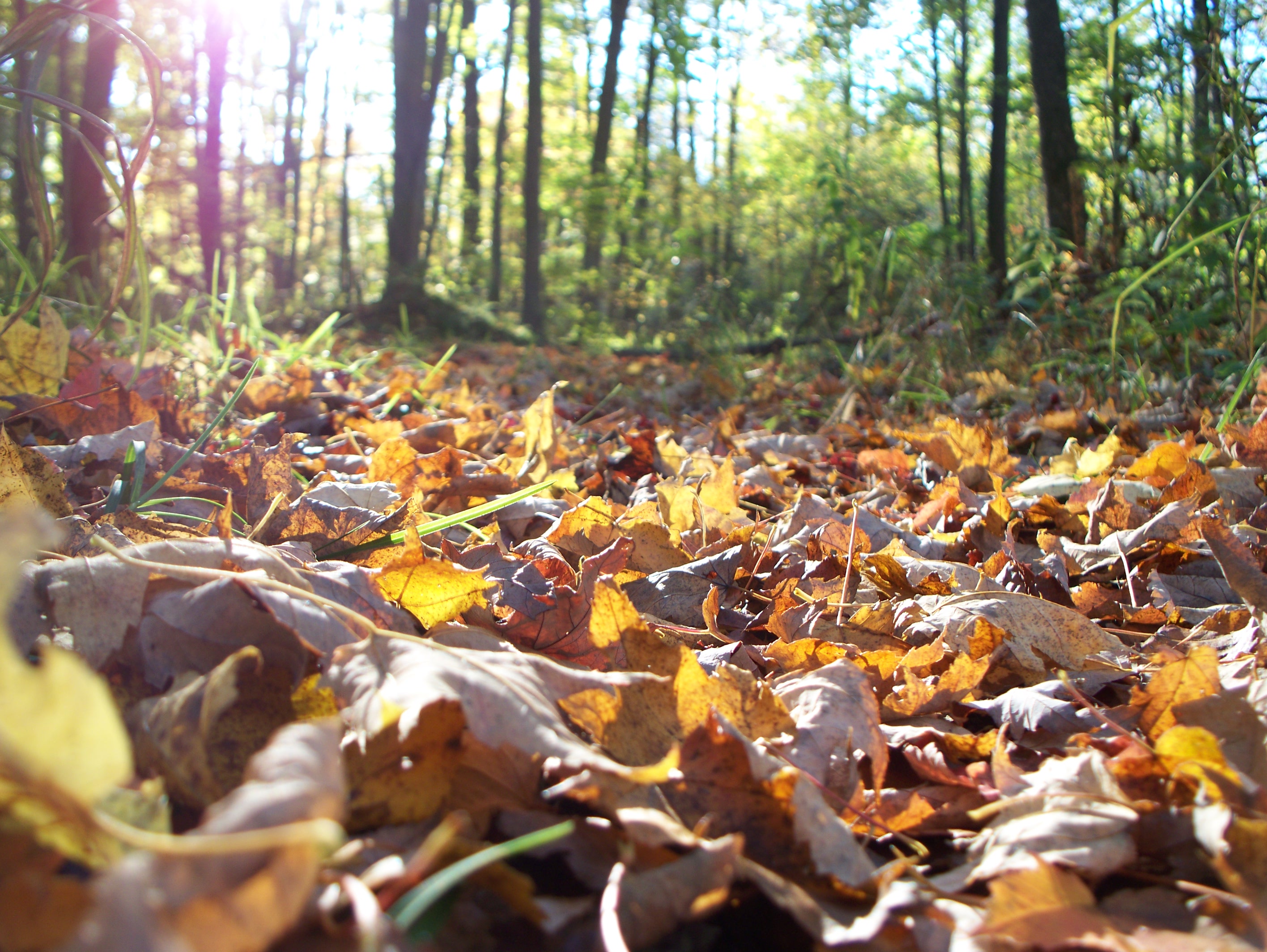 Uwl Website From bioweb.uwlax.edu
Plant Physiology - General Ziser Lecture Notes 201210 14. Leaves contain 7-9 straight veins on each side of leaf. They often have structures very similar to those of saplings. The six major areas of this forest type occur in the Northern Hemisphere. Deciduous forests are broken up into five zones. Deciduous trees such as maples oaks and beeches lose their leaves during fall and winter and regrow them during spring.
Deciduous medium sized tree up to 30 m with curly papery bark peeling horizontally.
Most coniferous trees like the Norway spruce trees on the right have needles that stay green year round Sources. They have to prepare for the colder temperatures of the winter months and be able to survive within limited food supplies. Leaves contain 7-9 straight veins on each side of leaf. Structural the physical traits of their body physiological how their hormones and metabolic systems deal with stresses and behavioral actions they take to better survive in an environment. A deciduous forest typically has three to four and sometimes five layers of plant growth. Most trees are deciduous.
 Source: haikudeck.com
Animal adaptations to the temperate deciduous forest Animals can have three types of adaptations to deal with environmental obstacles. The second zone is. Most trees are deciduous. Deciduous Forest Biomes Located in eastern North America Western Europe and northeastern Asia this biome is marked by broad-leafed trees such as maple and oak that lose their leaves seasonally as the temperatures begin to drop. The tree is an opportunist and a strong competitor to native trees and shrubs in open areas or forest edges.
 Source: justfunfacts.com
The southern limit of boreal forests is understood as the latitude at which conifers are competitively excluded by temperate tree species with higher rates of photosynthesis. Deciduous trees such as maples oaks and beeches lose their leaves during fall and winter and regrow them during spring. They have to prepare for the colder temperatures of the winter months and be able to survive within limited food supplies. Known for their large colorful beaks toco toucans have the largest bill to body ratio of any bird in the world. Deciduous trees that loose all their leaves in autumn in order to survive harsh weather condition and new leaves start growing as spring approaches.
 Source: northeastasiandeciduousforest.weebly.com
Like hardwood tree saplings ground-dwelling rainforest plants and shrubs have adapted to life in the low light levels of the forest floor. Deciduous forests are broken up into five zones. A b d 14. They have flat leaves so water to evaporate and keep tree cool. It is the tallest zone and trees here range from 60 to 100 feet 18 to 30 meters tall.
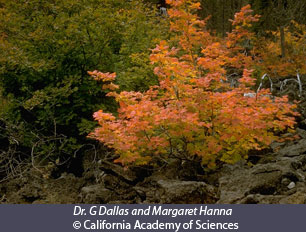 Source: app.getwritable.com
The southern limit of boreal forests is understood as the latitude at which conifers are competitively excluded by temperate tree species with higher rates of photosynthesis. In the winter it is the result of the polar and arctic masses that are moving south. Chapter 2 Section 5 Aquatic Ecosystems Guided Reading and Study Use Target Reading Skills I. Animal adaptations to the temperate deciduous forest Animals can have three types of adaptations to deal with environmental obstacles. Maple elm and oak trees are just some examples of trees found in this zone.
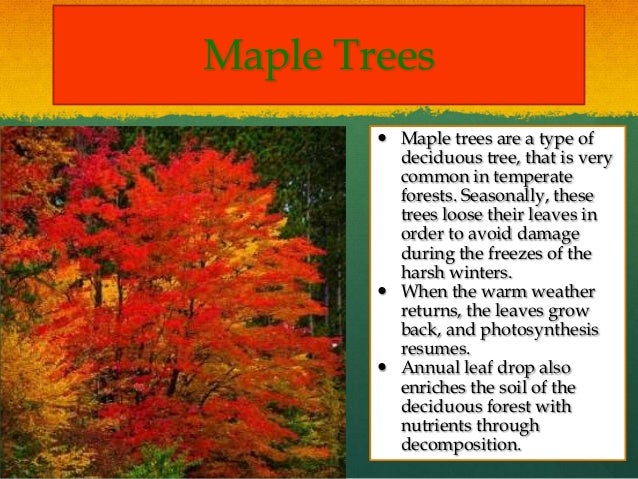 Source: slideshare.net
They often have structures very similar to those of saplings. In the winter it is the result of the polar and arctic masses that are moving south. A deciduous forest typically has three to four and sometimes five layers of plant growth. Sugar Maple is a deciduous tree having a medium texture medium to slow growth rate and an upright to oval form. Overall these regions are temperate but still have a distinct winter season.
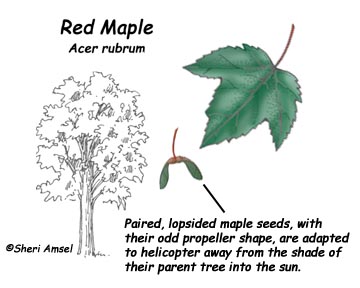 Source: exploringnature.org
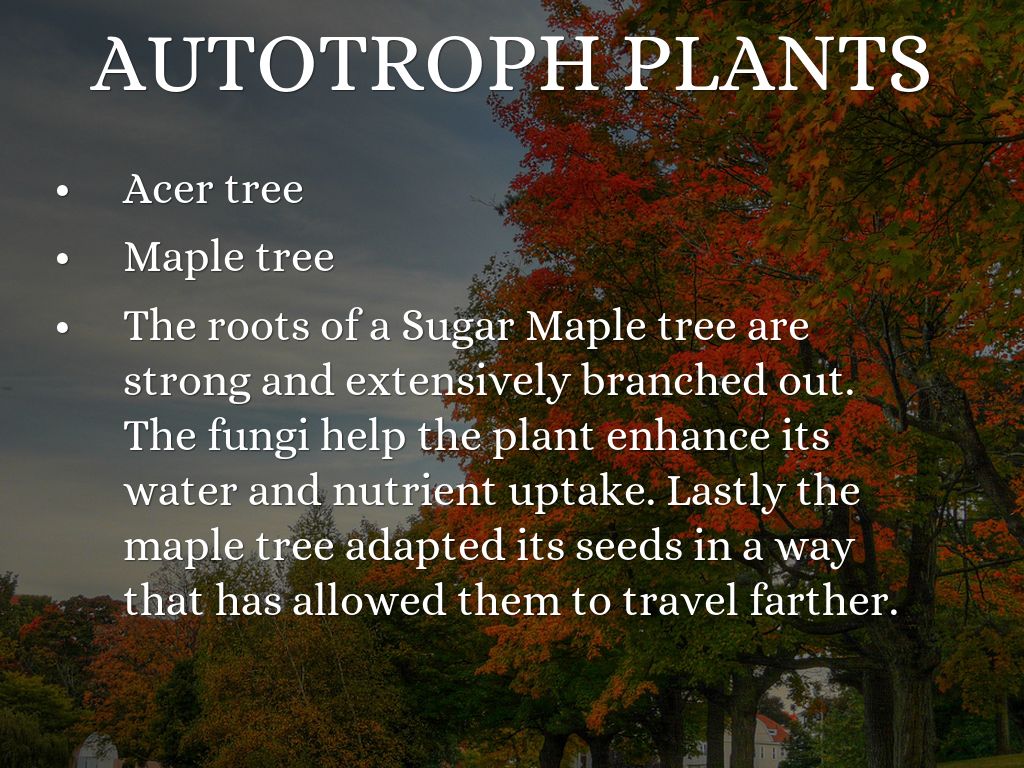
Adaptations for Temperate Forests Plants. Following are the adaptations shown by plants in temperate forests. Male flowers are drooping catkins and female flowers are in a cone-like catkin. Deciduous trees like the sugar maple tree on the left lose their leaves in the autumn. It needs moist well-drained loamy soils and does not tolerate hot dry sites.
 Source: scienceovereverything.com
Most coniferous trees like the Norway spruce trees on the right have needles that stay green year round Sources. They often have structures very similar to those of saplings. Plant Physiology - General Ziser Lecture Notes 201210 14. On a warm day a maple tree may lose 50-60 gallonshour eg. The second zone is.
 Source: slideplayer.com
Temperate Deciduous Forest Biome Characteristics. Like hardwood tree saplings ground-dwelling rainforest plants and shrubs have adapted to life in the low light levels of the forest floor. Unlike the evergreen trees in rainforests the trees here are deciduous meaning that they shed their leaves annually. Boris Crépeau CC BY-SA 30 via Wikimedia Commons and MPF CC BY-SA 30 via Wikimedia Commons. A b c 16.
 Source: slideplayer.com
A deciduous forest typically has three to four and sometimes five layers of plant growth. Structural the physical traits of their body physiological how their hormones and metabolic systems deal with stresses and behavioral actions they take to better survive in an environment. Animals living in a temperate deciduous forest must be able to adapt to the seasonal changes. Known for their large colorful beaks toco toucans have the largest bill to body ratio of any bird in the world. Deciduous trees that loose all their leaves in autumn in order to survive harsh weather condition and new leaves start growing as spring approaches.
 Source: slidetodoc.com
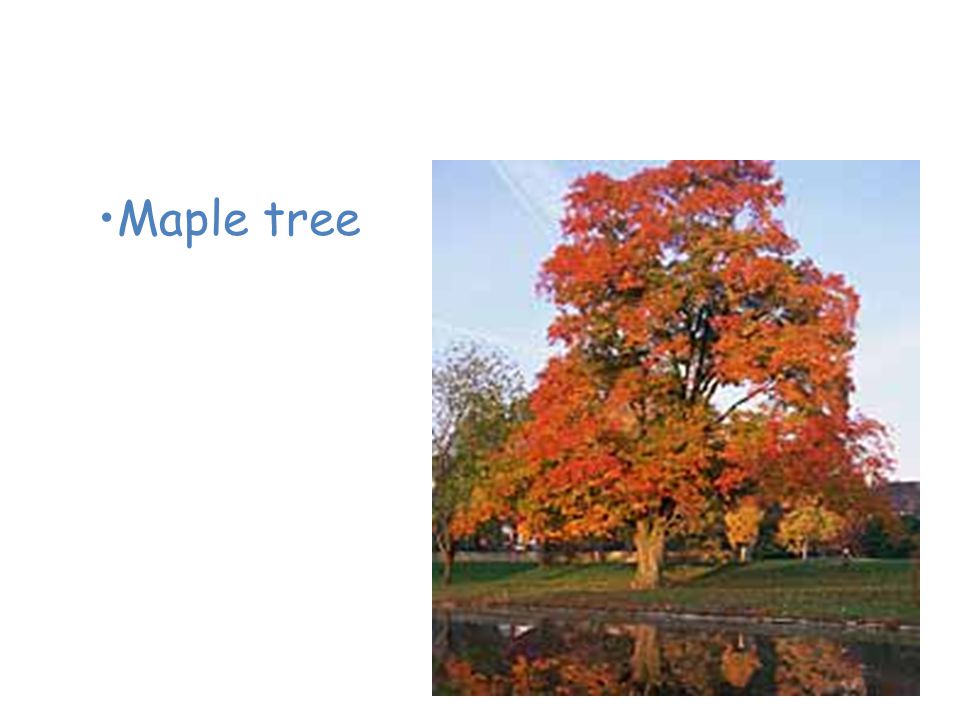
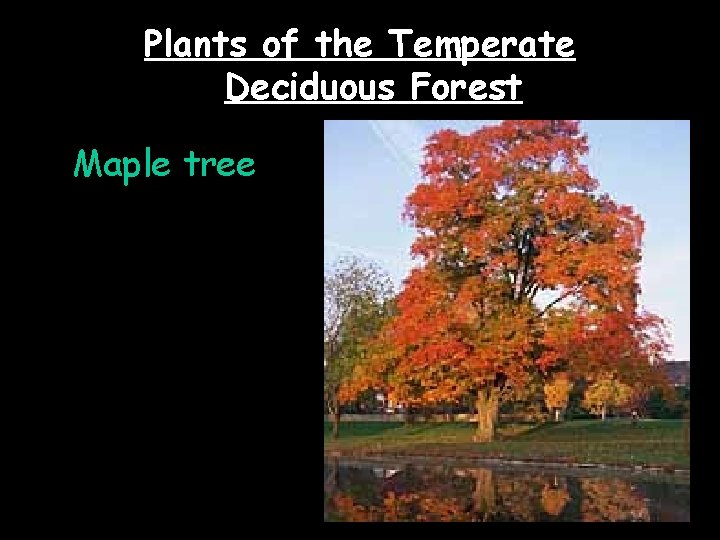
It is best known for its brilliant yellow to orange to red fall color. Maple elm and oak trees are just some examples of trees found in this zone. Adaptations for Temperate Forests Plants. Deciduous trees like the sugar maple tree on the left lose their leaves in the autumn. These trees turn deciduous forests red orange and yellow during autumn as leaves prepare to fall.
 Source: nwf.org
Animals living in a temperate deciduous forest must be able to adapt to the seasonal changes. Bombax ceiba is a deciduous Tree growing to 25 m 82ft by 22 m 72ft at a medium rate. The camel thorn tree sheds its leaves during dry periods within the Namib. Temperate Deciduous Forest by April Pulley Sayre 1994 Twenty-First Century Books New York NY. Explore tropical plants in.
 Source: haikudeck.com
Unlike the evergreen trees in rainforests the trees here are deciduous meaning that they shed their leaves annually. The camel thorn tree sheds its leaves during dry periods within the Namib. Temperate deciduous or temperate broad-leaf forests are a variety of temperate forest dominated by trees that lose their leaves each year. It is best known for its brilliant yellow to orange to red fall color. The Silver maple or Acer saccharinum is a rapidly growing deciduous tree.
Source: bioweb.uwlax.edu
Boris Crépeau CC BY-SA 30 via Wikimedia Commons and MPF CC BY-SA 30 via Wikimedia Commons. Known for their large colorful beaks toco toucans have the largest bill to body ratio of any bird in the world. The southern limit of boreal forests is understood as the latitude at which conifers are competitively excluded by temperate tree species with higher rates of photosynthesis. Temperate deciduous or temperate broad-leaf forests are a variety of temperate forest dominated by trees that lose their leaves each year. Explore tropical plants in.
 Source: study.com
Plants Trees of this biome include both broadleaf deciduous trees such as maple oak hickory and beech and evergreens such as hemlock spruce and fir. Overall these regions are temperate but still have a distinct winter season. Trees found in this region are oak maple willow elm cottonwood beech and. It is the tallest zone and trees here range from 60 to 100 feet 18 to 30 meters tall. Structural the physical traits of their body physiological how their hormones and metabolic systems deal with stresses and behavioral actions they take to better survive in an environment.
 Source: nyis.info
The deciduous forest biome gets its name from its most visible form of plant life the deciduous tree. Male flowers are drooping catkins and female flowers are in a cone-like catkin. Following are the adaptations shown by plants in temperate forests. The six major areas of this forest type occur in the Northern Hemisphere. Aspen trees are all native to cold regions with cool summers in the north of the northern hemisphere extending south at high-altitude areas such as mountains or high plainsThey are all medium-sized deciduous trees reaching 1530 m 50100 ft tall.
This site is an open community for users to do submittion their favorite wallpapers on the internet, all images or pictures in this website are for personal wallpaper use only, it is stricly prohibited to use this wallpaper for commercial purposes, if you are the author and find this image is shared without your permission, please kindly raise a DMCA report to Us.
If you find this site serviceableness, please support us by sharing this posts to your preference social media accounts like Facebook, Instagram and so on or you can also save this blog page with the title maple tree adaptations in deciduous forest by using Ctrl + D for devices a laptop with a Windows operating system or Command + D for laptops with an Apple operating system. If you use a smartphone, you can also use the drawer menu of the browser you are using. Whether it’s a Windows, Mac, iOS or Android operating system, you will still be able to bookmark this website.


