Your Overcup oak tree facts images are ready. Overcup oak tree facts are a topic that is being searched for and liked by netizens now. You can Get the Overcup oak tree facts files here. Find and Download all royalty-free photos.
If you’re searching for overcup oak tree facts images information connected with to the overcup oak tree facts interest, you have visit the right blog. Our website always gives you suggestions for seeing the highest quality video and image content, please kindly surf and locate more enlightening video articles and images that match your interests.
Overcup Oak Tree Facts. Once fertilized the female flowers appearing from March to. Buy in monthly payments with Affirm on orders over 50. This hearty oak makes a. Leaf drop is clean and uniform without the lingering dried brown foliage common to many oak species.
 In Defense Of Plants From indefenseofplants.com
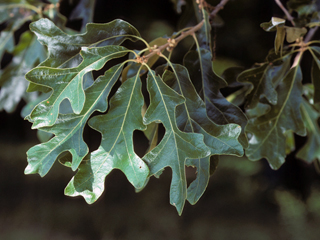
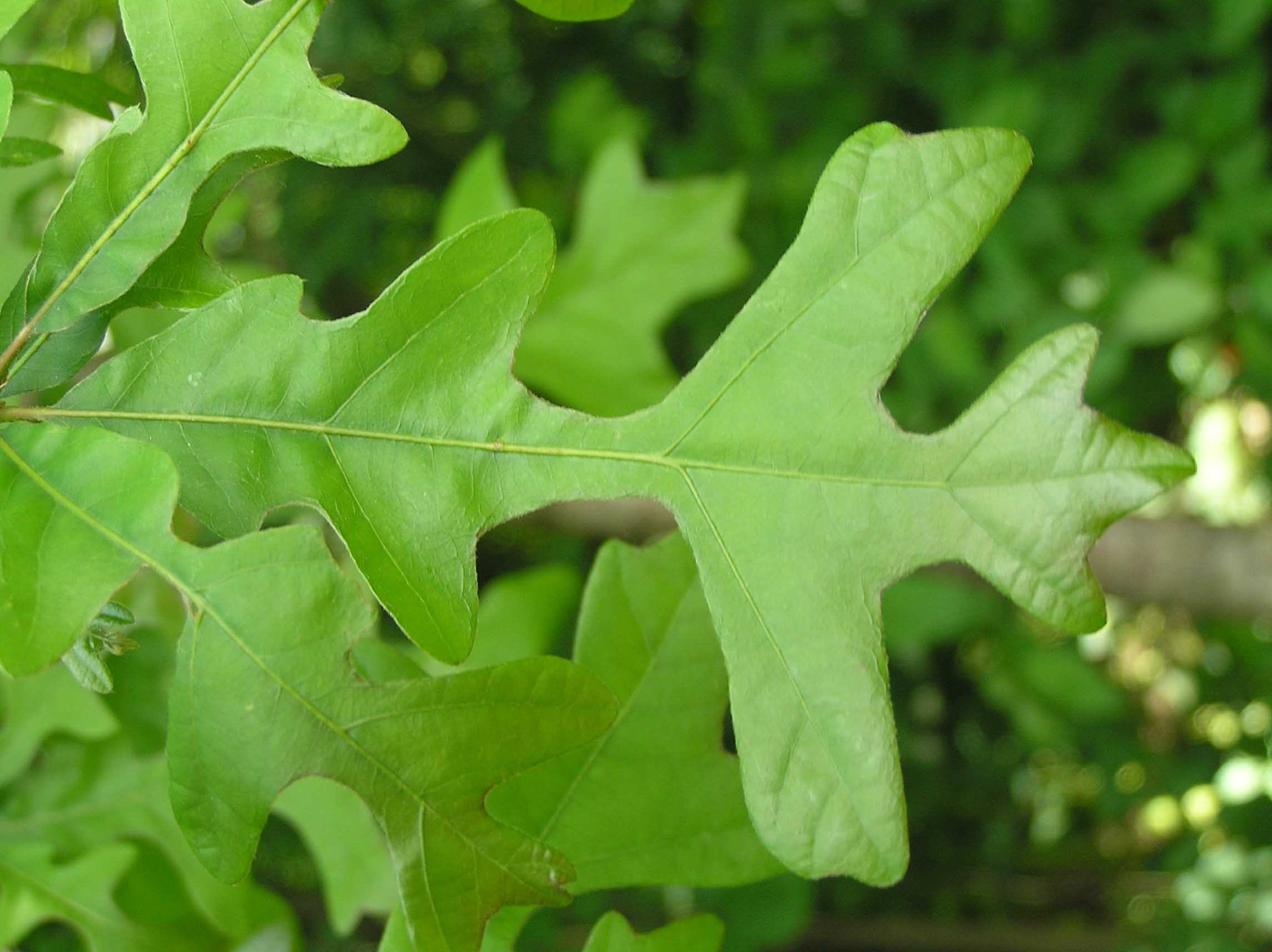
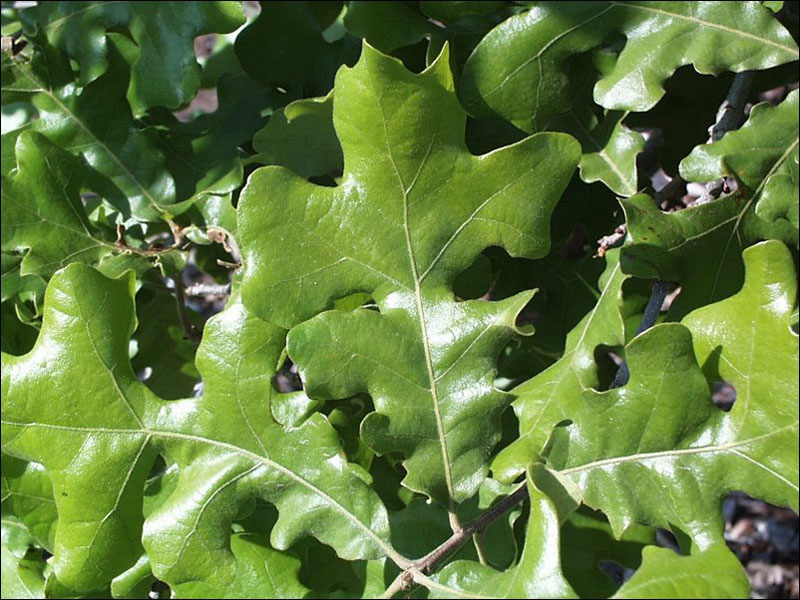
Long-living sturdy shady and vibrant the Overcup Oak has been acknowledged as an outstanding urban street tree and shade tree. Overcup oaks produce good acorn crops every 3 or 4 years beginning when the trees are about 25 years old. Leaves alternate simple 310 inches long narrow but broadest above the middle with 59 rounded lobes middle lobes usually widest often squarish notch of lobes with various shapes leaf tip rounded to pointed. Entire lobed Leaf shape. Meet overcup oak a species found on swampy ground and soils in southwestern Indiana. Medium Foliage Leaf arrangement.
Photo courtesy of Daniel Leonard.
6A through 9A Fig. Fagaceae USDA hardiness zones. Overcup oaks are a white oak that typically begin to produce acorns at about 25 years of age. With its graceful elliptic leaves and colorful thick autumn foliage this species is. 6A through 9A Fig. The orange-burgundy fall color is unique to overcup oaks.
 Source: treemontgomery.org
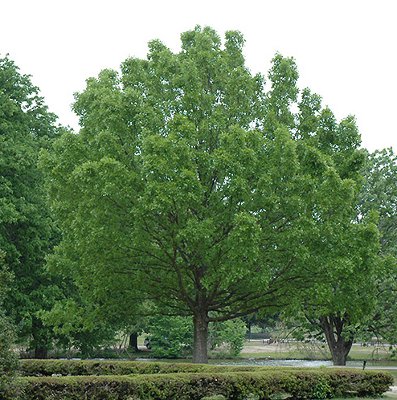
Meet overcup oak a species found on swampy ground and soils in southwestern Indiana. Photo courtesy of Daniel Leonard. Clean and uniform leaf drop in winter. Deciduous Trees Facts about Overcup Oak Tree Scientific name for Overcup Oak Tree is Quecus lyrata. The tree grows some 60 feet 185 m tall but the strong sinuous branches can spread to 120 feet 365 m wide.
 Source: pfw.edu
KWERK-us lye-RAY-tuh Common names. 7 year old Overcup Oak Quercus lyrata on the edge of a wet weather pond in Calhoun County. Native shade tree - own root. A deciduous tree the overcup oak bears male and female flowers in the form of separate catkins that appear on the newest branches. The overcup is a favorite of the Wildtree team.
 Source: education.mdc.mo.gov
Leaves alternate simple 310 inches long narrow but broadest above the middle with 59 rounded lobes middle lobes usually widest often squarish notch of lobes with various shapes leaf tip rounded to pointed. It has recently gained attention and popularity as a domineering specimen for home landscapes as well. Overcup oaks are a white oak that typically begin to produce acorns at about 25 years of age. The Willow Oak can thrive in partial or full sun. Overcup oak wood is susceptible to diseases and injury which make it less valuable for lumber and building materials than other white oak wood.
 Source: grownative.org
It is a medium sized deciduous member of the white oak family. A deciduous tree the overcup oak bears male and female flowers in the form of separate catkins that appear on the newest branches. Oaks in general are susceptible to a large number of diseases including chestnut blight shoestring root rot anthracnose oak leaf blister cankers leaf spots and powdery mildew. Quercus lyrata commonly called overcup oak gets its common name from the distinctive bur-like acorn cup that typically encloses 23 to almost all of the nut. Overcup Oak grows with a straight trunk and balanced canopy.
 Source: indefenseofplants.com
As most native oak trees this is a high-value wildlife plant. Its name is derived from its unique cork-like cap that covers the majority of the acorn. Quercus lyrata commonly called overcup oak gets its common name from the distinctive bur-like acorn cup that typically encloses 23 to almost all of the nut. It is a medium sized deciduous member of the white oak family. Streamline Overcup Oak has moderately upswept branching.
 Source: wildflower.org
Oblong obovate Leaf venation. Native to North America Invasive potential. A deciduous tree the overcup oak bears male and female flowers in the form of separate catkins that appear on the newest branches. It has recently gained attention and popularity as a domineering specimen for home landscapes as well. Fun Facts Overcup oak gets its common name from the cap of the acorn that notably almost completely encloses the acorn fruit.
 Source: dendro.cnre.vt.edu
Native shade tree - own root. In good soils and full sunlight they can begin producing acorns at younger ages. Native shade tree - own root. Parking lot island 200. Insects Diseases and Other Plant Problems.
 Source: education.mdc.mo.gov
Long-living sturdy shady and vibrant the Overcup Oak has been acknowledged as an outstanding urban street tree and shade tree. ID That Tree. This cap plays a big role in the survival of the tree and also. Fagaceae USDA hardiness zones. However this tree is resistant to oak wilt.
Source: indefenseofplants.com
Photo courtesy of Daniel Leonard. Deciduous Trees Facts about Overcup Oak Tree Scientific name for Overcup Oak Tree is Quecus lyrata. 4 to 8 inches Leaf color. Entire lobed Leaf shape. It is native to lowland wetlands in the eastern and south-central United States in all the coastal states from New Jersey to Texas inland as far as Oklahoma Missouri and Illinois.
 Source: treemontgomery.org
Meet overcup oak a species found on swampy ground and soils in southwestern Indiana. Deciduous Trees Facts about Overcup Oak Tree Scientific name for Overcup Oak Tree is Quecus lyrata. Overcup Oak Tree Category. HistoryLore This is a native tree found in the swampland of the Atlantic coast. It is identifiable by its deeply sinused alternately arranged leaves as well as its acorns which have a cap which encases nearly the entire acorn and typically dont let go easily.
 Source:
Insects Diseases and Other Plant Problems. Streamline Overcup Oak has moderately upswept branching. Insects Diseases and Other Plant Problems. Not only can mature trees handle weeks. However this tree is resistant to oak wilt.
 Source: pfw.edu
It has recently gained attention and popularity as a domineering specimen for home landscapes as well. Overcup oak acorns are at the top of the food preference list for squirrels and smaller rodents as well as larger animals such as wild turkeys hogs and white-tailed deer. A large tree of forested wetlands to 80 feet tall and a buttressed trunk to 2 feet in diameter with many small crooked or drooping branches forming an open irregular crown. It is identifiable by its deeply sinused alternately arranged leaves as well as its acorns which have a cap which encases nearly the entire acorn and typically dont let go easily. Medium Foliage Leaf arrangement.
 Source: knowledgebase.lookseek.com
Oblong obovate Leaf venation. Parking lot island 200. Overcup oaks are a white oak that typically begin to produce acorns at about 25 years of age. This hearty oak makes a. It also enjoys acidic soil and can withstand poorly drained areas.
 Source: treemontgomery.org
With its graceful elliptic leaves and colorful thick autumn foliage this species is. How wonderful to own a piece of living history. As such this species has evolved to tolerate and take advantage of periodic flooding from one year to the next. 7 year old Overcup Oak Quercus lyrata on the edge of a wet weather pond in Calhoun County. Overcup oak is a medium-sized tree with an irregular crown twisted branches and a swollen base when growing along the edges of swamps.
 Source: hoosierhomeandgarden.com
Overcup Oak 2 Crown uniformity. Native to North America Invasive potential. It is a medium sized deciduous oak part of the white oak group that typically grows to 40-60 tall with a straight trunk and broad rounded crown. It has recently gained attention and popularity as a domineering specimen for home landscapes as well. The Overcup oak tree Quercus lyrata is a medium-sized deciduous oak which is highly tolerant to floods and is native to Southeastern United States where it grows on areas around the swamps and poorly drained plains.
This site is an open community for users to do sharing their favorite wallpapers on the internet, all images or pictures in this website are for personal wallpaper use only, it is stricly prohibited to use this wallpaper for commercial purposes, if you are the author and find this image is shared without your permission, please kindly raise a DMCA report to Us.
If you find this site helpful, please support us by sharing this posts to your own social media accounts like Facebook, Instagram and so on or you can also save this blog page with the title overcup oak tree facts by using Ctrl + D for devices a laptop with a Windows operating system or Command + D for laptops with an Apple operating system. If you use a smartphone, you can also use the drawer menu of the browser you are using. Whether it’s a Windows, Mac, iOS or Android operating system, you will still be able to bookmark this website.


